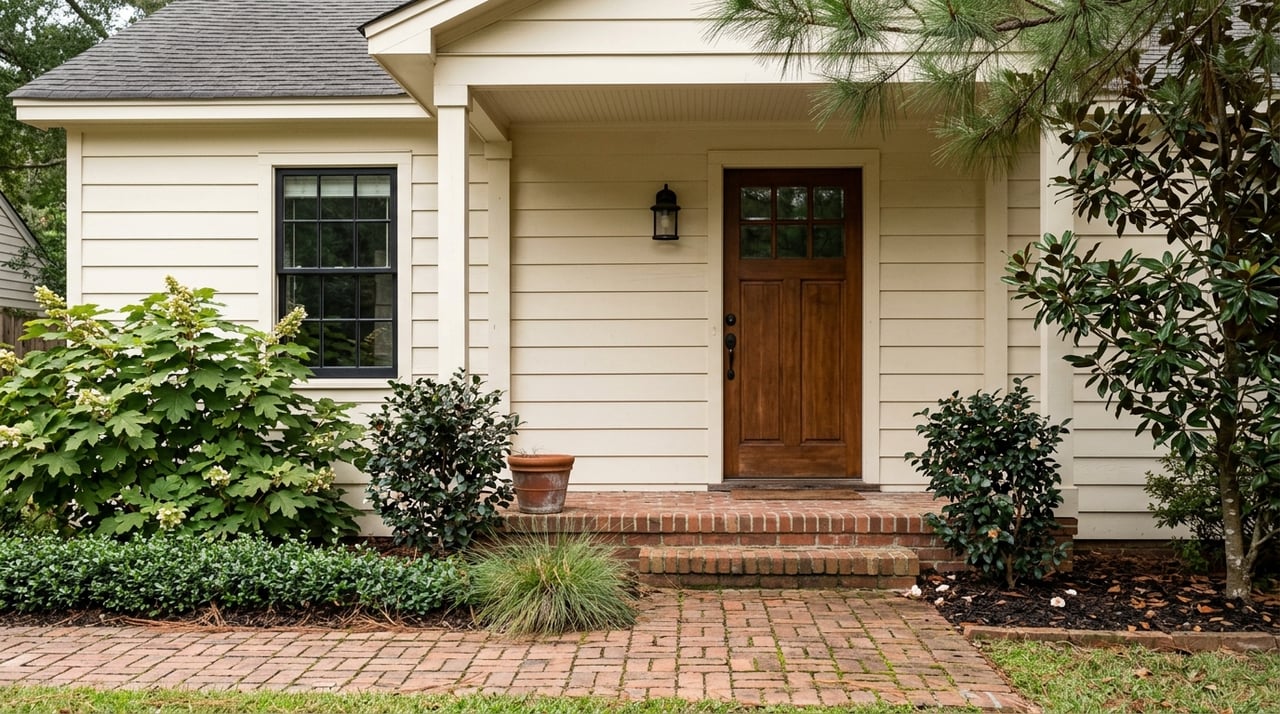
Relocating can make every decision feel more urgent, especially when you also need to sell your home. If you are listing your Aberdeen home while preparing for a move, you are likely juggling packing, travel dates, paperwork, and a lot of unanswered questions. The good news is that with a clear plan, you can protect your timeline and reduce stress. Let’s walk through the steps that matter most.
Start with a relocation-focused plan
When you are moving out of Aberdeen, timing is not just about when your home hits the market. It is also about how your sale lines up with your departure, your next housing plan, and the details that need attention after you leave town.
Aberdeen is part of a growing Moore County market, with Census estimates showing 10,066 residents in Aberdeen and 110,619 in Moore County as of July 1, 2025. That growth can shape buyer interest, but your success still depends on preparation, pricing, and how smoothly the sale is managed from start to finish.
A relocation plan works best when you decide early who will be your main local contact, how showings will be handled, and what tasks must be completed before you go. If you will already be out of town when offers or repair requests come in, clear written instructions become even more important.
Build your timeline around North Carolina due diligence
One of the biggest timing issues for North Carolina sellers is the due diligence period. In the standard Offer to Purchase and Contract, this is the negotiated period when a buyer investigates the property and key parts of the transaction.
During due diligence, buyers commonly arrange inspections, pest reviews, septic evaluations, surveys, appraisals, title work, loan qualification, and repair negotiations. The period begins on the contract’s effective date, and the length is negotiable.
For you as a relocating seller, this matters because your move-out schedule should leave room for the buyer’s process. If you cut things too close, you may end up scrambling to coordinate repairs, final cleaning, or utility changes from a distance.
A smart approach is to build buffer time around these milestones:
- Listing date
- Expected offer window
- Due diligence period
- Any repair or contractor access needs
- Closing date
- Final walk-through
- Utility shutoff or transfer dates
If the buyer and seller agree to extend due diligence, that extension should be put in writing. That is especially important if you are already out of town and trying to manage the transaction remotely.
Keep the home accessible until the end
It is natural to want to lock everything down once you leave, but your home still needs to remain reasonably accessible during the transaction. Buyers have the right to verify repairs and complete a final walk-through, and refusing that access can create contract problems.
That means you should think ahead about keys, garage codes, alarm instructions, and any service appointments that may happen after your departure. If a cleaner, handyman, or other contractor may need entry, have a clear plan before moving day.
Remote selling usually goes more smoothly when you keep one simple system for access. That may include written notes, labeled remotes, appliance instructions, and one point of contact for updates.
Do not overlook required seller disclosures
When you are focused on the logistics of a move, disclosures can feel like just another form. In North Carolina, they are much more than that.
In most residential sales of one-to-four unit dwellings, sellers must provide a Residential Property Disclosure Statement and a Mineral and Oil and Gas Rights Mandatory Disclosure Statement. If those statements are not delivered before or when the buyer makes an offer, the buyer may cancel the resulting contract.
North Carolina Real Estate Commission guidance also makes clear that material facts can include issues such as:
- Flood zones
- Restrictive covenants
- HOA membership
- Obvious electrical malfunctions
If something changes after you list the home and that change makes your disclosure inaccurate, you need to promptly update the disclosure or correct the issue. This is especially important for relocating sellers, since a new problem can appear after you have already left Aberdeen.
For example, if a storm causes damage, a system stops working, or you learn new information that affects the property, the disclosure should be updated. Distance does not remove that responsibility.
Pay special attention to pre-1978 homes
If your home was built before 1978, there is another important step. Federal law requires sellers and agents to disclose known lead-based paint information before the sales contract is signed.
You must also provide any available records or reports, and the buyer must be given a 10-day opportunity to inspect or assess for lead hazards. If your home falls into this category, it is best to gather those records early so they do not slow down the process later.
Create a move-out checklist for Aberdeen utilities and records
A relocation sale is not only about the house itself. It also involves local services and records that can easily get missed when you are managing a move from another city or state.
Aberdeen’s town resources include starting and stopping water service, billing, electronic payments, emergency and community alerts, sanitation, and e-notifications. If you plan to leave before closing, it helps to decide in advance when utility service will transfer, what account balances need attention, and how you will receive final notices.
Moore County also has practical resources that matter after you move. The Tax Department handles real property ownership records and accepts online, phone, and in-person payments, while the Register of Deeds records official documents. These details are useful if you need to confirm records, track final tax matters, or keep paperwork organized after your departure.
A simple checklist can help you stay on track:
- Confirm water service timing
- Review sanitation or local service needs
- Update billing and payment methods
- Save copies of tax and closing records
- Keep contact information for county record offices
- Decide where final mail and notices should go
Protect privacy and reduce stress during showings
Showings can feel more disruptive when you are in the middle of a relocation. You may be balancing work, travel, pets, children, or a partially packed house. The more structure you create, the easier this phase becomes.
Start by removing sensitive documents, spare keys, prescription items, and valuables before your home goes active. Then create a showing routine that is easy to repeat, even if you are handling the final days before a move.
It also helps to think about what needs to stay with the property and what should travel with you. Garage remotes, appliance manuals, alarm instructions, and any items meant for the buyer should be kept organized in one place.
Plan for remote repairs and last-minute issues
Even well-prepared homes can have surprise issues during a sale. An inspection may uncover a repair item, or a small problem may come up after you have already left the area.
That is why relocating sellers benefit from having a short vendor plan before the home goes on the market. Knowing who can handle cleaning, minor repairs, or follow-up access can save time if something urgent comes up during due diligence.
This is also where steady communication matters most. Army relocation guidance emphasizes planning ahead and using local support resources, and the same principle applies here. One trusted point of contact, clear written instructions, and early coordination can make a remote sale much easier to manage.
Why local guidance matters in Aberdeen
Aberdeen has its own pace, character, and practical details, from town services to county recordkeeping. Selling from a distance is easier when you have local guidance that stays calm, organized, and responsive.
If you are relocating, you do not just need someone to put a sign in the yard. You need a thoughtful process that accounts for disclosures, due diligence timing, buyer access, local service details, and the moving parts that show up when life is changing quickly.
With the right preparation, listing your Aberdeen home during a relocation can feel far more manageable. A clear strategy helps you stay ahead of deadlines, protect the transaction, and move forward with more confidence.
If you are preparing for a move and want calm, detailed guidance for selling in Aberdeen, connect with Cherry Amanatidis.
FAQs
What disclosures are required when selling a home in Aberdeen, NC?
- In most North Carolina sales of one-to-four unit residential properties, you must provide a Residential Property Disclosure Statement and a Mineral and Oil and Gas Rights Mandatory Disclosure Statement.
What is the due diligence period in a North Carolina home sale?
- The due diligence period is the negotiated time after a contract becomes effective when the buyer investigates the property and transaction details, including inspections, financing, and repair discussions.
Can a buyer cancel if disclosures are delivered late in North Carolina?
- Yes. If required disclosure statements are not delivered before or when the buyer makes an offer, the buyer may cancel the resulting contract.
Should you keep your Aberdeen home accessible after moving out?
- Yes. Buyers may need access for repair verification and the final walk-through, so it is important to keep the property accessible until late in the transaction.
What local tasks matter when relocating out of Aberdeen, NC?
- Key tasks include handling water service timing, billing, sanitation details, final tax records, payment records, and document tracking through Moore County offices.
What if new property issues come up after listing your Aberdeen home?
- If new information makes your disclosure inaccurate, you should promptly update the disclosure or correct the issue.